Reliable Chemistry , Trusted Supply

About us

Quality Assurance

Stringent quality control systems throughout production, from raw material inspection to final product testing, ensuring batch-to-batch consistency and reliability.

Certified Compliance

Full industry certifications including ISO, REACH, and GMP standards, with complete traceability and documentation for regulatory peace of mind.

Global Delivery Network

Efficient international logistics covering major ports worldwide, with reliable warehousing and just-in-time shipping to keep your production on schedule.

Environmental Stewardship

Green chemistry initiatives, waste reduction processes, and energy-efficient operations that minimize environmental impact while maintaining output quality.

Jianlong Biotechnology Co., Ltd.

About us

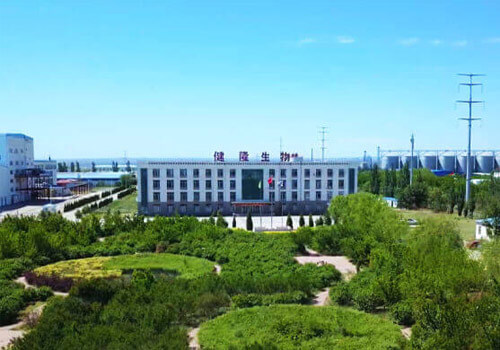
Jianlong Biotechnology Co., Ltd.focus on R&D and production of xanthan gum and resistant dextrin. We own mature strain screening system and exclusive strain resources, and cooperate with universities to optimize...
Read more
12h
After-Sales Response
99%
Delivery Rate
100%
Factory-Exit QC
99%
On-Time Delivery
Jianlong Biotechnology Co., Ltd.

Need a Custom Solution?

Our products are just the starting point. If you have specific technical requirements or are looking for a custom formulation, our engineering team is ready to work with you. Tell us

Inquire

Our Products

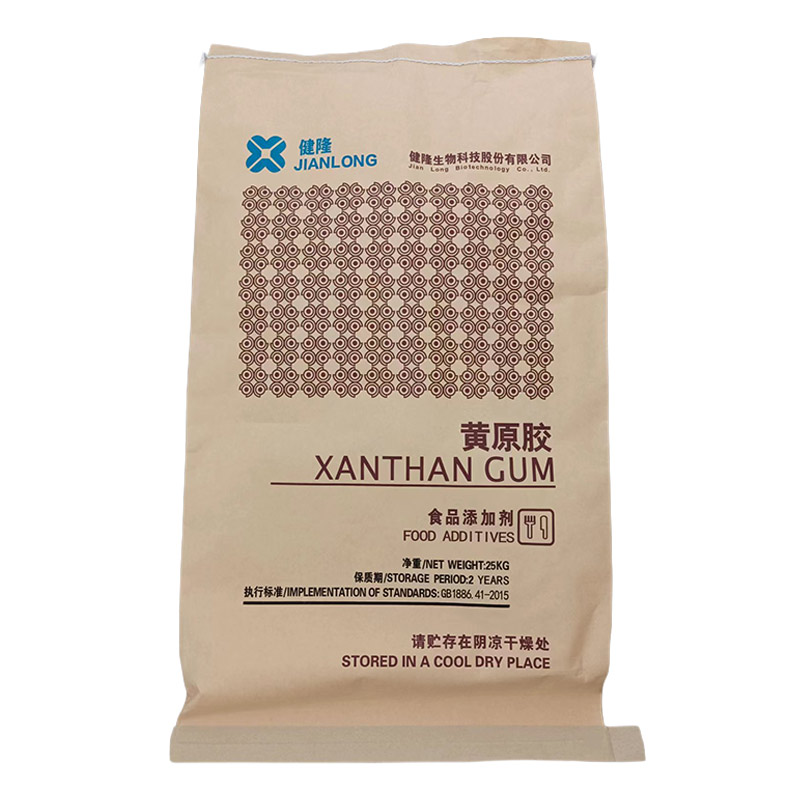
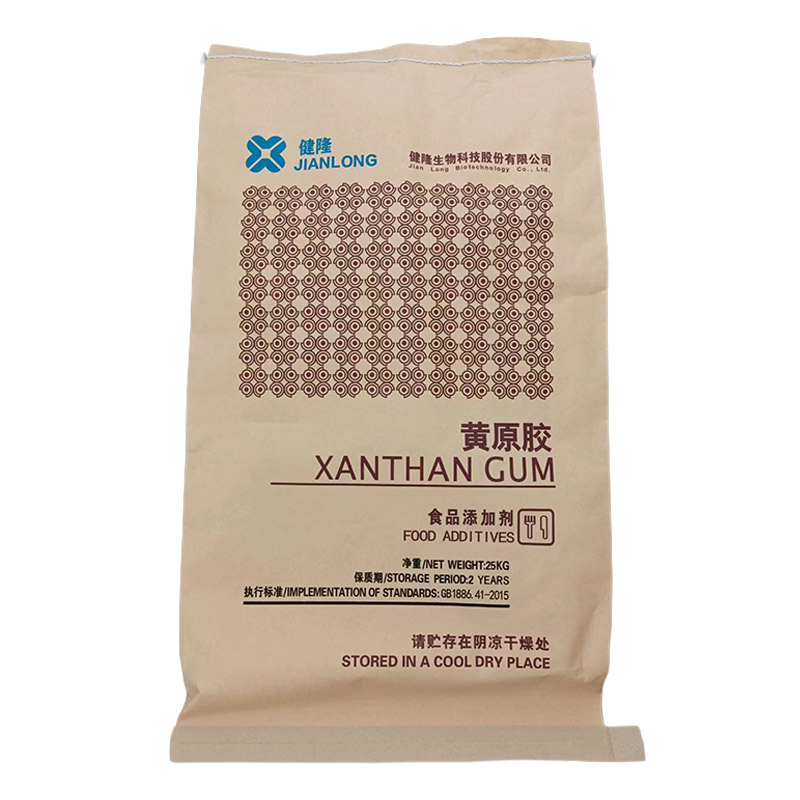
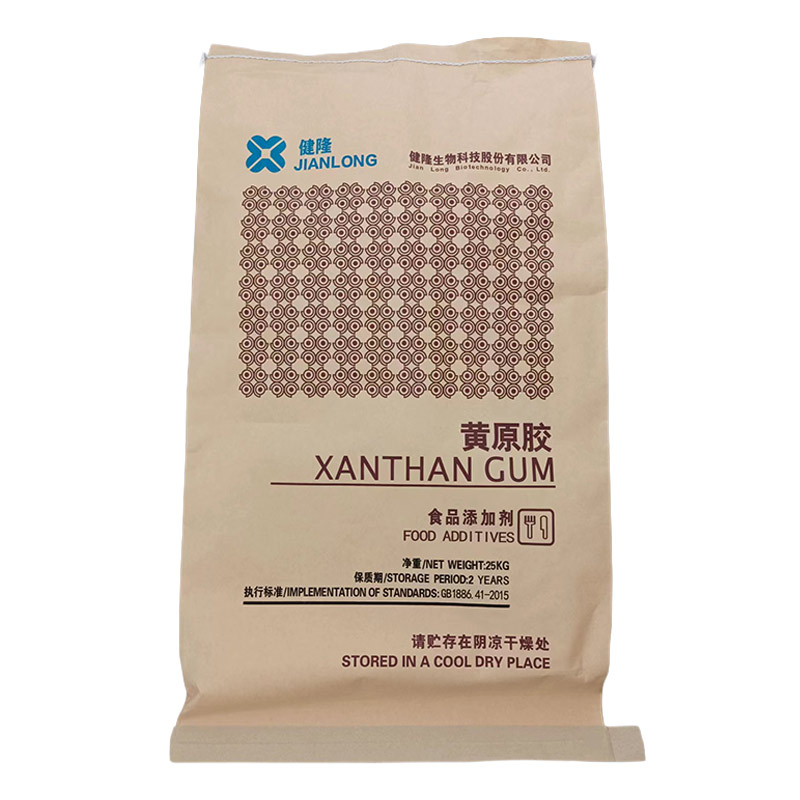
The range of products we manufacture and provide to our customers includes Xanthan Gum, Resistant Dextrin NuFiber, along with all kinds of necessary resources and supplies for engineering, manufacturing and other industrial spheres.

Sustainability

As a forward-thinking chemical manufacturer, we recognize that true industrial leadership comes with environmental responsibility. Our sustainability framework integrates green chemistry principles, carbon footprint reduction strategies, and responsible sourcing practices into every stage of production — from raw material procurement to final product delivery.

We are continuously innovating to develop eco-friendlier solutions without compromising performance or safety. By investing in advanced emission control systems, renewable energy adoption, and waste valorization technologies, we are proving that chemical manufacturing can be both profitable and sustainable.

Because protecting our planet is the most important product we will ever create.

Latest Company News

Jianlong Biotechnology Co., Ltd.
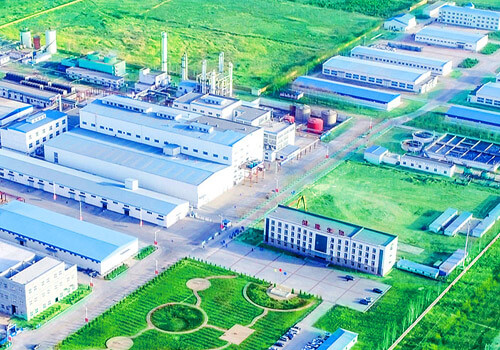
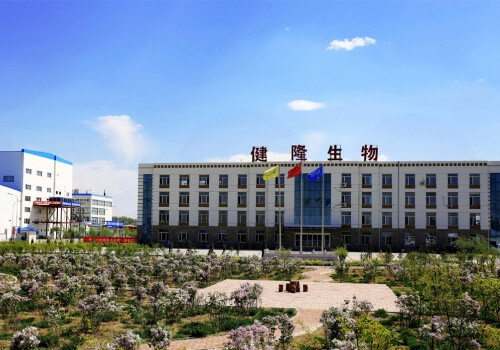
Jianlong Biotechnology Co., Ltd., founded in April 2007 and headquartered in Tuodian Industrial Park, Tuoketuo County, Hohhot, Inner Mongolia, is a national high-tech enterprise specializing in the R&D, production and sales of biocolloids represented by xanthan gum. Its annual production capacity of xanthan gum reaches 30,000 metric tons, ranking among the top three manufacturers in China’s industry.Supported by automated production lines designed by European technical teams, the firm introduces world-class equipment including fermenting agitators, vacuum sealed dryers and fully enclosed packaging facilities, establishing a full-process quality control system covering raw materials to finished goods. Its core product, xanthan gum, is produced via bio-fermentation from corn starch, featuring outstanding thickening capacity, superior stability, and strong resistance to acid, alkali and salt.The company supplies multi-grade xanthan gum complying with BP, USP, FCC and EU standards. Food-grade variants are widely used in beverages, dairy products and baked foods, while industrial oilfield-grade xanthan gum delivers excellent rheological performance as a key additive for oil and gas drilling operations.Over 70% of Jianlong’s xanthan gum products are exported to more than 50 countries across North America, Europe and Southeast Asia, with stable long-term partnerships established with well-known global brands such as Tate & Lyle and Yili. The enterprise invests 3% of annual revenue into R&D each year and runs a professional biotech research institute to continuously optimize bacterial strains and manufacturing processes for high-purity, customized xanthan gum solutions.Recognized as a national high-tech enterprise and provincial innovative SME, Jianlong showcased its low-carbon xanthan gum solutions at the 2025 US OTC Energy Exhibition, winning wide acclaim from international buyers. Moving forward, the company will further deepen its layout in the biocolloid industry, delivering premium xanthan gum products to fuel high-quality development of the global food and energy sectors. CONTACT INFORMATIONWebsite:https://www.jianlong-biotech.com/Phone:+8615371019725Email:sales7@alchemist-chem.com
Read More
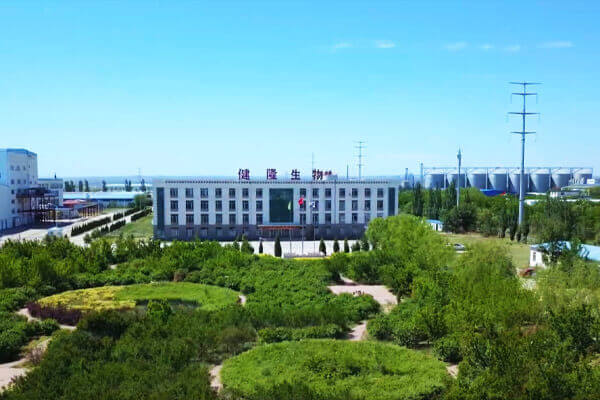
Jianlong Biotechnology (Shanghai) Co., Ltd.
 Stepping back and watching younger companies like Jianlong Biotechnology (Shanghai) Co., Ltd. expand makes you feel the pulse of the entire Chinese chemical industry. Many of us who have been making complex compounds for decades remember times when the sector relied heavily on imported enzymes, vitamins, and specialized fermentation products. That has changed. Lab teams in Shanghai carry out careful work every day and their achievements show up on the desks of customers around the globe. You start to see familiar challenges wherever the next facility rises: finding reliable feedstocks, navigating shifting environmental policies, building teams who know not just theory but how to avoid a fouled batch at just the wrong hour. Jianlong’s growth might make the news, but for chemical manufacturers, it hits closer to home for what it signals about competition, pricing pressure, and rising quality standards.  Volume alone rarely determines credibility now. Decades ago, factories measured their reputation by annual tonnage. Now, trust comes from consistency—batch after batch, shipment after shipment. The work Jianlong and similar firms invest in fermentation and bioprocessing has moved specialty chemicals away from the trial-and-error mindset that used to dominate much of the local industry. Word gets out fast if a lot fails, if the process stumbles. Buyers want guarantees backed by process controls, not promises. Factories like ours have built entire QC labs focused on making sure fermentation yields the right titer every time, with analytical chemists putting finished product under microscopes before a single drum leaves our yard. Peers at Jianlong know they face the same scrutiny.  In the past, enzyme production required significant imports, but domestic capacity now answers demand from food, feed, and textile applications. Any chemical manufacturer who has worked through the logistics of scaling up from flask to even a 2000-liter fermenter understands the headaches involved. Jianlong’s work in functional enzyme production reflects major steps forward for Chinese industry. Building a fermentation plant with enough sterility to prevent contaminant organisms, sourcing pure enough glucose, and running precise downstream purification can turn a promising technology into a money pit if shortcuts are taken. Pointing to data or certificates means almost nothing if end users smell inconsistency or see cloudiness in a drum. Peer reputation, especially in biotech, travels by technical word-of-mouth more than press releases ever could.  No one who builds chemical plants in China escapes the evolving environmental landscape. Many of us lived through rounds of surprise inspections and crackdowns. Effluent requirements get tighter every year. Jianlong operates in an environment where regulators demand documentation for every step, and the product’s purity often hinges on the cleanliness of the process. Across the sector, manufacturers invest millions in effluent treatment, air emissions controls, and waste minimization. The real test isn’t whether a company passes one audit, but whether it can make the same claims about emissions and safety after five, ten, or fifteen years. Most manufacturers know shortcuts in wastewater plant upgrades will haunt them down the line.  Raw equipment matters, but skilled operators drive plant performance. Successful chemical manufacturing requires frontline staff who recognize when a fermenter runs too hot, when a dryer leaves moisture too high, or when a color shift signals an off-spec product. For companies like Jianlong looking to scale further, the competition for talent becomes fierce. Domestic universities continue to produce technical graduates, yet applied skills never fully transfer from textbook to plant floor without serious mentoring. Many of us rely on tight-knit shift teams who share non-stop observations, organize shadowing for juniors, and embed process improvements into each team meeting. As process complexity expands, especially with biologically active compounds, the best outcomes depend less on senior management and more on crew members who own their workstations.  Every market shift—whether new carbon restrictions from Europe or supply shocks due to geopolitical changes—finds its way back to manufacturing. Jianlong, like all biotech firms in China, faces price cuts from well-funded rivals in other provinces and constant negotiation with trading partners in Southeast Asia, Europe, and South America. Large-volume buyers want evidence of traceability and ethical sourcing. Anyone who has tried to land a major multinational contract knows they send their own technical auditors, who walk the plant, open technical records, and ask operators the fine details of batch segregation. Firms that pass these tests find their work paid off in contracts lasting years, not months. Miss the mark and the market moves on.  Behind news stories about Jianlong Biotechnology’s rise sits an industry in constant flux. Every day brings new regulatory notices, customer audits, and demands for proof of sustainability. Clean energy use in fermentation, recovery of off-gas for power generation, and full cradle-to-grave carbon accounting move from aspirational targets to routine requests from international clients. Chemical manufacturers who deliver value know each of these shifts demands real investment and hands-on process adjustments. Our experience says that success comes to companies who see compliance not as a check-box, but as a baseline to outpace. Jianlong’s performance shines light on where the industry moves next, but every plant manager at the ground level knows the work starts early, runs late, and the risks never truly let up. CONTACT INFORMATIONWebsite:https://www.jianlong-biotech.com/Phone:+8615371019725Email:sales7@alchemist-chem.com
Read More
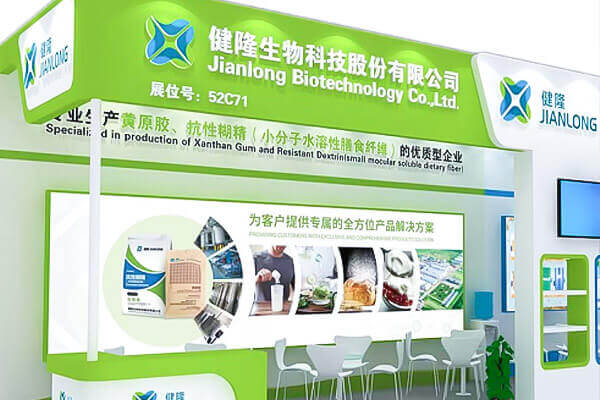
Jianlong Biotechnology (Beijing) Co., Ltd.
 For decades, the chemical manufacturing industry in China has seen a rapid shift toward specialization, green innovation, and raising standards for both domestic and global markets. The emergence of companies such as Jianlong Biotechnology (Beijing) Co., Ltd. represents more than just another player in the competitive sector: it signals an important shift in how Chinese manufacturers approach biotechnological innovation, operational transparency, and sustainable production.  Makers who handle the entire process from raw material sourcing through to final output carry a kind of responsibility only fully understood on the production floor. Sourcing high-quality substrates, ensuring lot-to-lot consistency, and handling the intricate steps of reactions and separations demand more than technical know-how—they require integrated operations and a work culture built around process control. Many businesses may treat paperwork and compliance as a box-checking exercise, but for those directly managing fermentation batches, bioreactor upkeep, and daily quality testing, paper trails safeguard safety and regulatory reliability. Working hands-on with these cycles gives us direct knowledge about what affects reproducibility, how feedstock quality swings affect final yields, and which points in the process introduce variability. Large-scale biotech production is not about plug-and-play; it is about responding in real time to live data from the field. A manufacturer overseeing these details will pick up early on subtle changes and have the leverage to adapt quickly.  Real-world biotech manufacturing, by its nature, faces many unknowns which only direct experience will teach. In China’s fast-changing market, manufacturers such as Jianlong Biotechnology who invest in their own process R&D can move from batch outcomes to full process optimization in a way contract partners never will. In my time, controlling fermentation environments and managing downstream recovery steps has demanded constant refinement, and on a factory level, this comes down to combining scientific understanding with daily troubleshooting. In a market flooded with distributors and brokers promising low prices, genuine manufacturers with research capability can offer assurances not just of content, but of stability, safety, and adaptation to evolving global standards—a crucial point today as buyers and regulators increasingly scrutinize origins and reproducibility.  On the manufacturing side, sustainable process design remains both a need and an operational advantage. For those producing bulk biochemicals and specialty ingredients, recycling waste streams and minimizing inputs is more than PR: it directly cuts overhead and satisfies increasingly strict environmental rules. As the public and regulatory agencies look closer at production footprints, manufacturers with rooted supply-side traceability and cycling systems will move ahead of slower competitors. We have seen how a company rooted in active production can design these systems so each output step serves multiple functions: not only producing saleable goods, but also generating byproduct streams that become feedstocks for other lines, reducing waste and improving overall material efficiency. In our segment, such integration is hard-won and based in years of back-and-forth between R&D and plant engineers, never through theory alone.  Each export-facing manufacturer in China knows the weight of aligning operations with reach, FDA, and all the complex requirements of global chemical trade. Unlike mere trading firms, plant-side operators handle compliance for everything from residue levels to emissions control. They cannot afford shortcuts: paperwork must align with actual batch performance, and customers seek inspection reports that track to each shipment. In our experience, those who cut corners are often found out, and risks multiply; in sharp contrast, companies delivering on certifications, validated through actual internal audits, create the confidence that repeat buyers demand. When you see production lines upgrade not because of outside compulsion but because the manufacturer maintains a staff of engineers and QC professionals focused on new requirements, it shows long-term intent to serve markets at the top end, not just to fill short-term supply gaps.  Scaling up biotechnology brings unique technical and logistic challenges—issues that only direct producers face. Shifts from pilot to plant scale often introduce surprises: agitator choices, air supply, foam formation, and variability in nutrient delivery. Only plant managers with full insight into fermentation kinetics and real feedback from control panels can redesign process steps on the fly or diagnose deviations mid-batch. As domestic labor costs rise, automation becomes a tool not just for labor savings but for maintaining tighter control over outcomes. Such investments pay dividends over time, especially for markets where deviations from spec carry real consequences, both legally and economically. We have already witnessed how investing in bulk data logging, predictive maintenance, and digital twin technologies slashes downtime and tightens process specs—advantages not accessible to sellers who live far from where ingredients are made.  Manufacturers like us see firsthand why long-term partnerships will always beat short-term arbitrage. Buyers with recurring needs want more than a one-off sample: they want guaranteed repeatability, direct communication on delays or changes, and access to technical teams for unexpected problems. Operating our own production lines, offering real-time updates on inventory and transport status, and giving hard answers to technical queries all become possible because we own the day-to-day operations. Trading houses promise flexibility but cannot control sudden changes in raw material pricing or process bottlenecks—a reality any procurement officer learns quickly. By standing as the true origin, we support not just product delivery but the mutual growth that comes with frank feedback and steady improvement.  True manufacturers know trust is earned by transparency, not slogans: lab results, in-person audits, direct staff contact, and open books on source materials. New biotech companies in China who dedicate resources to not only production, but broader communication and client support, build reputations stronger than any marketing campaign. We have seen that buyers respond to proofs, not promises, especially when entry into global supply chains depends on passing strict supplier audits. These relationships demand openness on sourcing, honest disclosure of customs and logistics risks, and readiness to adjust to updated compliance rules. Producers like Jianlong Biotechnology facing these challenges head-on position themselves as solid, long-term partners—capable of learning, improving, and building true value with every batch produced. CONTACT INFORMATIONWebsite:https://www.jianlong-biotech.com/Phone:+8615371019725Email:sales7@alchemist-chem.com
Read More